The Role of Logistics in Agricultural Equipment Distribution: A Case Study


Introduction to Logistics in Agricultural Equipment Distribution
Logistics plays a crucial role in the distribution of agricultural equipment, ensuring that machinery reaches farmers efficiently and reliably. As the demand for agricultural equipment grows, the need for a streamlined logistics process becomes increasingly important. This case study delves into the logistics strategies of a leading company in the sector, highlighting the challenges and solutions involved.
Understanding the Challenges
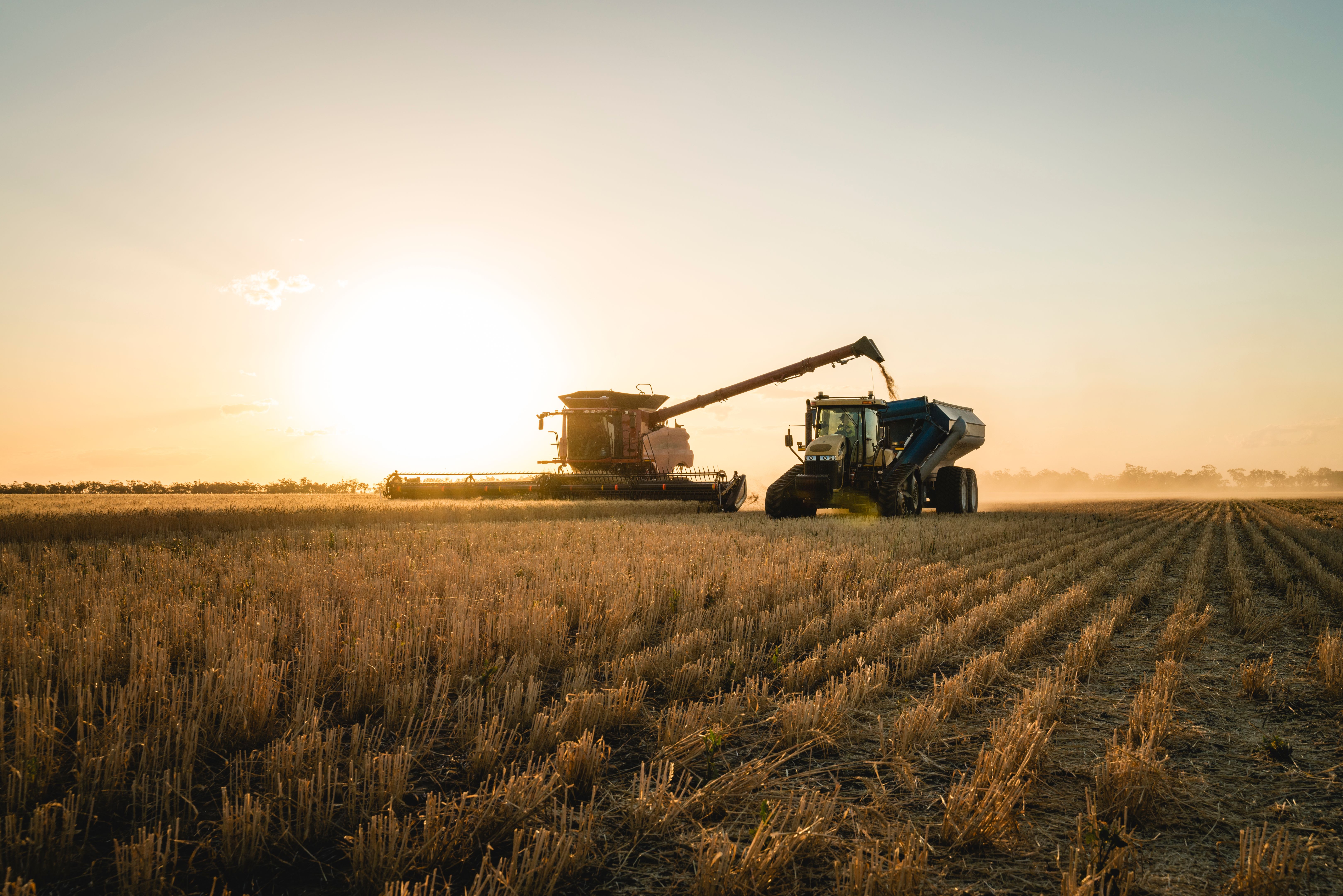
The distribution of agricultural equipment presents unique challenges. These include managing large, heavy machinery, navigating remote locations, and aligning deliveries with the agricultural calendar. Each of these factors requires careful planning and execution to minimize delays and ensure customer satisfaction.
One of the significant hurdles is dealing with the size and weight of the equipment. Transportation requires specialized vehicles and routes, often involving coordination with multiple transportation providers. Additionally, reaching remote farming areas can be logistically complex, demanding a robust network of distribution channels.
Seasonality and Timing
Timing is another critical factor. Farmers rely on equipment to be delivered at precise times to meet planting or harvesting schedules. Any delay can have a ripple effect, impacting productivity and profitability. This demands an agile logistics strategy that can adapt quickly to changes in demand and unforeseen delays.

Strategies for Effective Distribution
Successful agricultural equipment distribution hinges on several strategic approaches. Leveraging technology and data analytics, companies can optimize their supply chain processes. Real-time tracking and inventory management systems provide visibility into logistics operations, enabling proactive decision-making.
Partnerships with local distributors also play a vital role. By collaborating with local businesses, companies can enhance their reach and ensure faster delivery times. These partnerships often bring valuable insights into regional logistics challenges and opportunities.
Inventory Management
Effective inventory management is essential for minimizing costs and meeting demand. By utilizing advanced forecasting tools, companies can anticipate shifts in demand and adjust their inventory levels accordingly. This proactive approach helps in reducing excess stock and minimizing storage costs.

Case Study: A Success Story
One company that exemplifies excellence in agricultural equipment logistics is XYZ Corp. By implementing a comprehensive logistics strategy, XYZ Corp. has successfully navigated the complexities of distribution. Their approach includes investing in technology, forging strong partnerships, and maintaining a flexible supply chain.
XYZ Corp.'s use of GPS tracking and automated inventory systems has dramatically reduced delivery times and improved customer satisfaction. Their collaboration with local distributors has allowed them to penetrate new markets and respond swiftly to customer needs.
Lessons Learned
The case of XYZ Corp. highlights several key lessons for the industry. Firstly, embracing technology can significantly enhance logistical efficiency. Secondly, building strong partnerships with local entities can offer a competitive advantage. Lastly, maintaining flexibility in logistics planning is essential to adapt to unforeseen challenges and market demands.
In conclusion, logistics is a vital component of agricultural equipment distribution. By understanding the unique challenges and implementing strategic solutions, companies can ensure that their products reach farmers efficiently and on time, ultimately contributing to the success of the agricultural sector.