Navigating International Payments: Strategies for Success


Understanding the Basics of International Payments
In today's globalized economy, navigating international payments is a crucial skill for businesses of all sizes. Whether you're a small business owner or a large corporation, understanding the complexities of cross-border transactions can save time and reduce costs. The process involves various factors such as currency exchange rates, banking regulations, and transaction fees.
Choosing the Right Payment Method
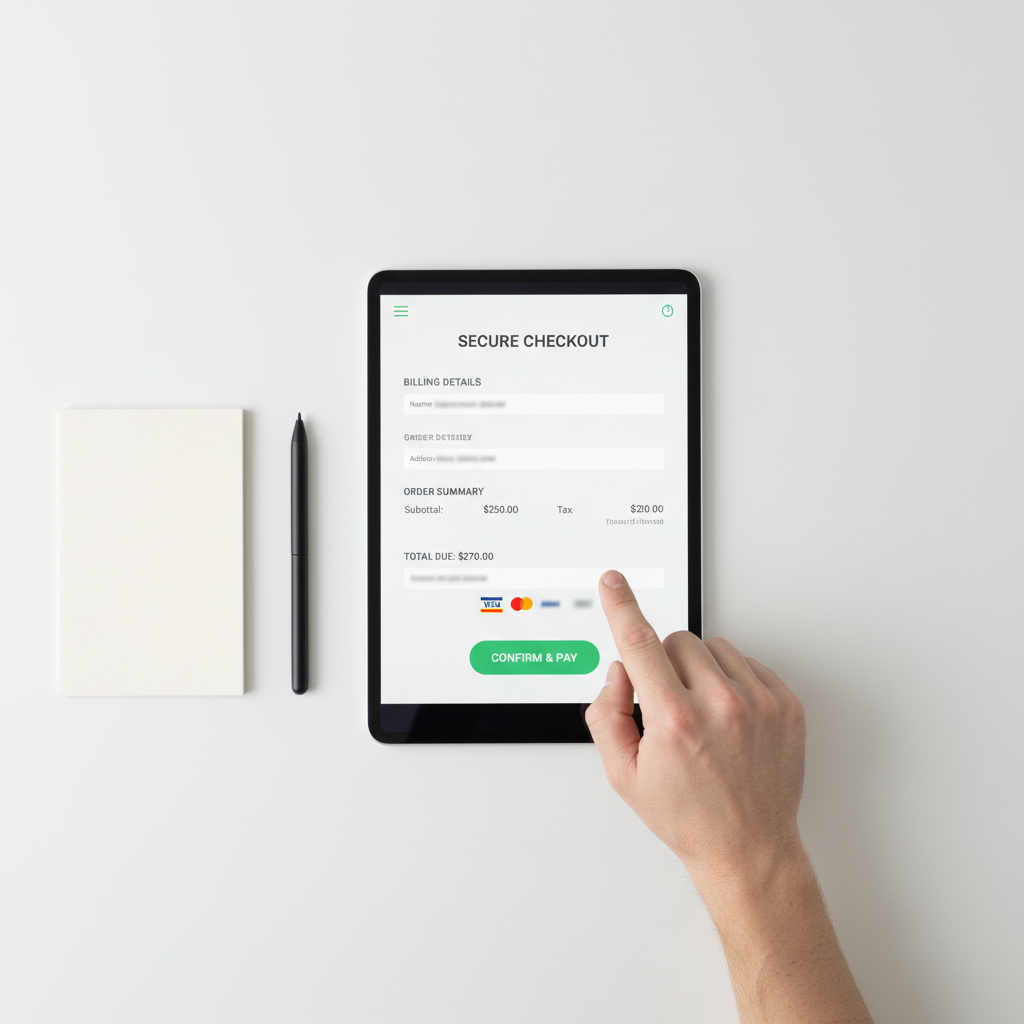
The first step in managing international payments successfully is selecting the appropriate payment method. Options range from traditional bank transfers to modern digital wallets and online payment platforms. Each method has its pros and cons, including speed, cost, and convenience. It's essential to evaluate these factors based on your business needs and the preferences of your international partners.
Mitigating Currency Exchange Risks
Currency exchange rates are one of the most volatile aspects of international payments. Fluctuations can significantly impact the cost of transactions. To mitigate these risks, businesses can use strategies such as forward contracts or currency options, which lock in exchange rates for future transactions. This approach ensures predictability and helps in budgeting and financial planning.

Managing Transaction Fees
International transactions often come with various fees, including processing fees, conversion fees, and intermediary bank charges. Being aware of these costs and negotiating with your bank or payment provider can lead to significant savings. Some providers offer flat-rate fees, while others charge a percentage of the transaction amount. Understanding these structures can help you choose the most cost-effective option.
Compliance with International Regulations
Adhering to international regulations is critical when handling cross-border payments. Each country has its own set of rules and compliance requirements, including anti-money laundering (AML) and know your customer (KYC) regulations. Businesses must stay informed about these regulations to avoid legal issues and ensure smooth transactions.

Using Technology to Streamline Payments
Technology plays a significant role in simplifying international payments. Advanced software solutions offer features like automated invoicing, real-time tracking, and detailed reporting. These tools enhance efficiency and reduce the likelihood of errors. Integrating such technology into your payment process can streamline operations and improve overall performance.
Building Strong Relationships with Financial Partners
Establishing solid relationships with banks and financial institutions is another key strategy for successful international payments. A good relationship can lead to better terms, lower fees, and quicker resolution of any issues that may arise. Regular communication and transparency with your financial partners are essential to maintaining these relationships.

In conclusion, navigating international payments involves a combination of choosing the right methods, managing risks, understanding regulations, leveraging technology, and maintaining strong financial partnerships. By implementing these strategies, businesses can optimize their international payment processes and achieve greater success in the global market.