Emerging Trends in Import/Export of Agricultural Machinery


Introduction to Emerging Trends
The import and export of agricultural machinery are undergoing significant transformations. With advancements in technology and changes in global trade policies, the industry is seeing new trends that are reshaping the landscape. These trends present both opportunities and challenges for businesses involved in the agricultural machinery market.
Technological Advancements
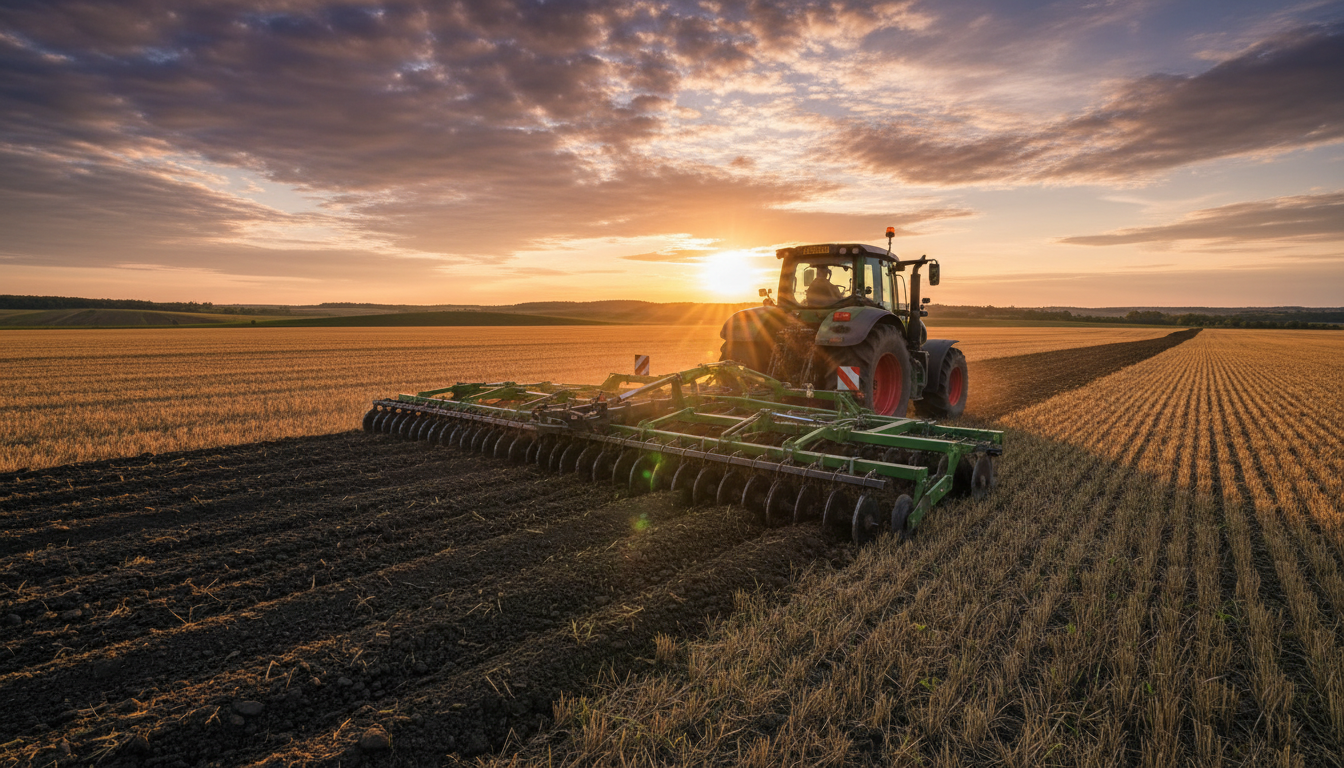
One of the most significant trends is the integration of advanced technology in agricultural machinery. Innovations such as GPS-guided tractors, drones for crop monitoring, and automated harvesters are becoming increasingly popular. These technologies enhance efficiency and productivity, allowing farmers to optimize their operations.
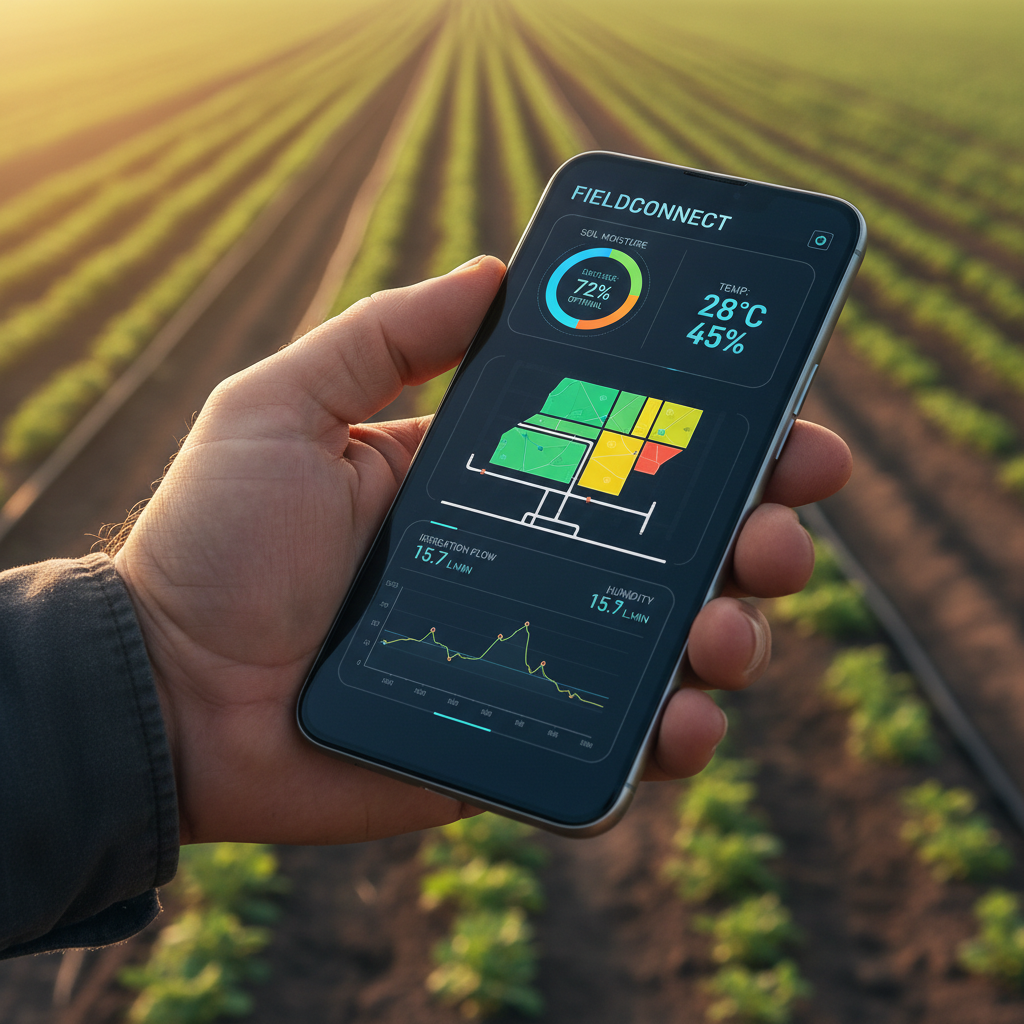
Moreover, the rise of the Internet of Things (IoT) in agriculture, often referred to as "smart farming," is revolutionizing how machinery is used. Connected devices provide real-time data and analytics, enabling more precise farming techniques and better decision-making.
Shifts in Global Trade Policies
Global trade policies are also influencing the import and export of agricultural machinery. Recent trade agreements and tariff changes have impacted the flow of machinery between countries. For instance, reductions in tariffs can make it more affordable for countries to import state-of-the-art equipment, boosting local agricultural productivity.
Conversely, trade tensions and protectionist policies can pose challenges, leading to increased costs and supply chain disruptions. Businesses must stay informed about these changes to navigate the complexities of the global market effectively.
Focus on Sustainability
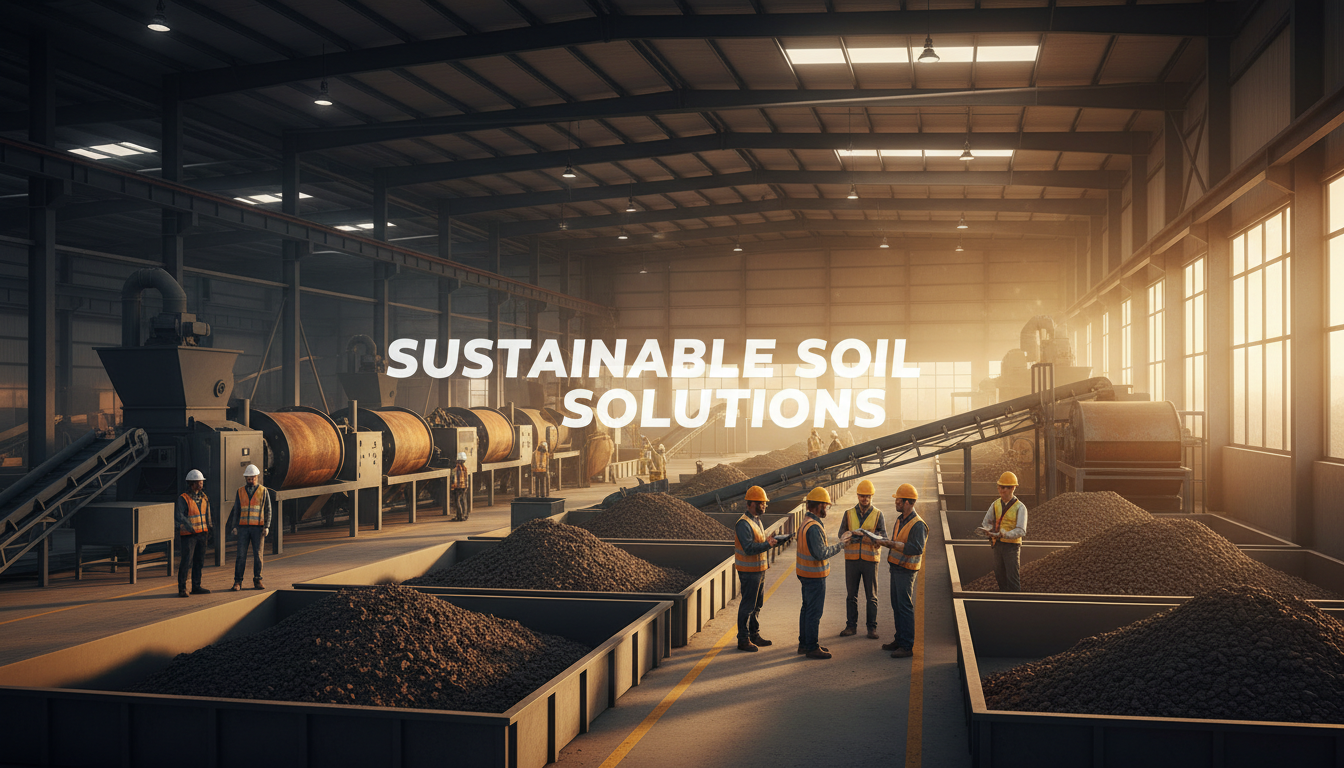
Sustainability is becoming a critical factor in the agricultural machinery industry. There is a growing demand for eco-friendly machinery that reduces environmental impact. Manufacturers are focusing on developing equipment that utilizes renewable energy sources and reduces emissions.
Additionally, sustainable practices in the manufacturing and supply chain processes are being prioritized. This shift not only helps in conserving resources but also aligns with the increasing consumer preference for environmentally responsible products.
Emerging Markets
Emerging markets are playing a pivotal role in the import and export of agricultural machinery. Countries in Asia, Africa, and Latin America are investing heavily in modernizing their agricultural sectors. This investment is driving demand for advanced machinery and equipment.
As these regions continue to develop, they present lucrative opportunities for manufacturers and exporters. Companies that establish a presence in these markets can benefit from the growing demand and contribute to the agricultural advancement in these areas.
Conclusion
The import and export of agricultural machinery are experiencing dynamic changes driven by technology, trade policies, sustainability, and emerging markets. Businesses that adapt to these trends will be well-positioned to thrive in the evolving landscape. Staying informed and agile will be key to capitalizing on the opportunities these trends present.