Comparing Logistics Competitors: Latin America vs. Europe


Introduction to Logistics in Latin America and Europe
Logistics is a critical component of global trade, enabling the efficient movement of goods across borders. When comparing logistics in Latin America and Europe, it's essential to understand the unique challenges and opportunities each region presents. Both regions have distinct infrastructures, regulatory environments, and technological advancements that impact their logistics sectors.

Infrastructure and Transportation Networks
Latin America's logistics infrastructure is diverse, with some countries boasting modern facilities while others face significant challenges. The region's vast geography, ranging from dense rainforests to sprawling urban centers, requires flexible and adaptive logistics solutions. In contrast, Europe benefits from a more uniform and developed infrastructure, with extensive road, rail, and maritime networks connecting its countries.
Europe's integrated transportation networks allow for seamless cross-border movement, enhancing efficiency and reducing costs. Meanwhile, Latin America often grapples with issues like inadequate road systems and congested ports, which can impede the flow of goods.
Regulatory Environment and Trade Agreements
The regulatory environment in Latin America can vary significantly from country to country, affecting logistics operations. Trade agreements like the Mercosur and the Pacific Alliance aim to facilitate trade, but bureaucratic hurdles often complicate cross-border logistics.
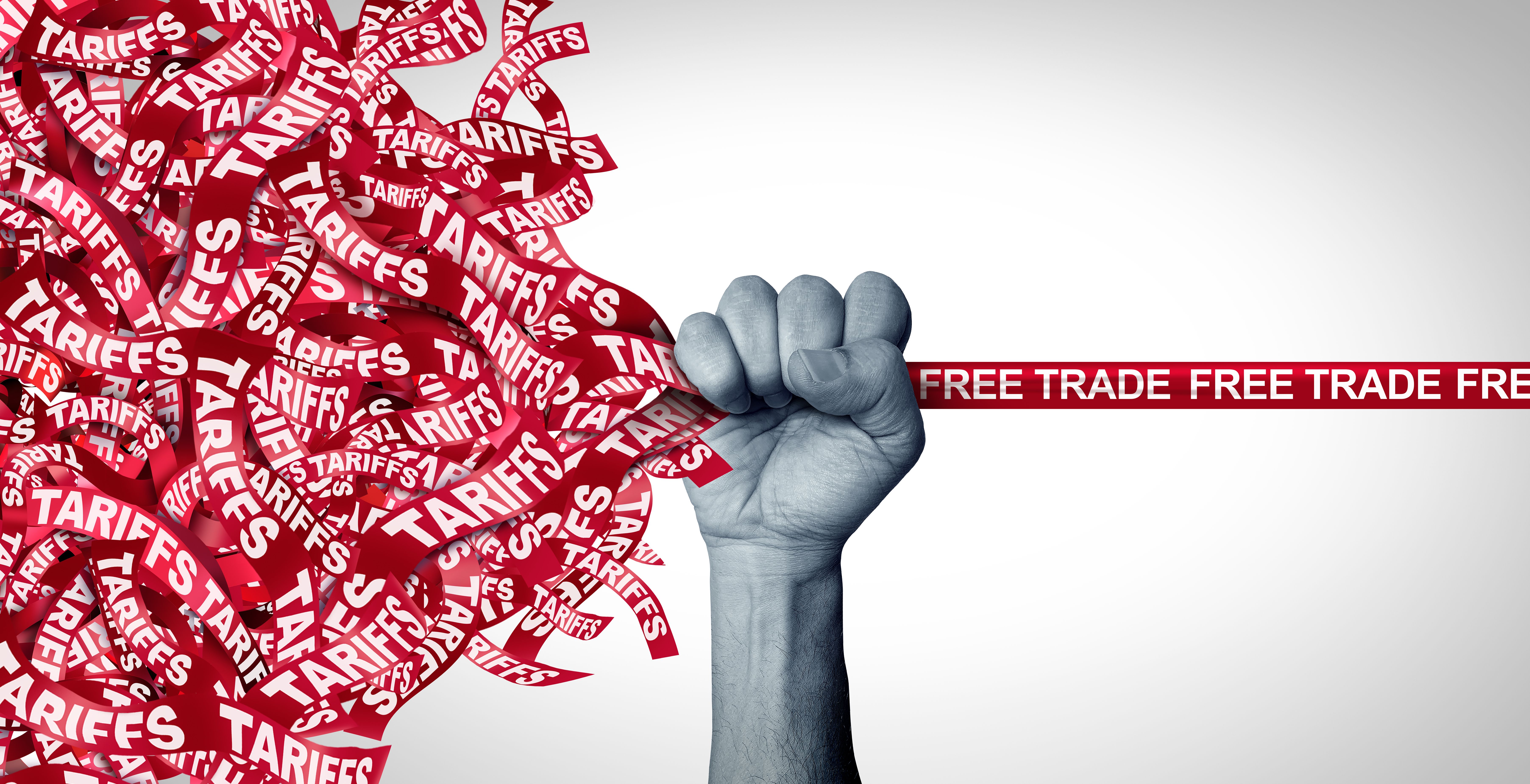
Europe, with its single market and customs union, provides a more streamlined regulatory framework for logistics. The European Union's standardized regulations help reduce complexity and foster smoother trade across member states. This difference in regulatory environments can have a substantial impact on how logistics companies operate in each region.
Technological Advancements and Innovations
Technological innovation is transforming logistics worldwide, and both Latin America and Europe are embracing these changes. In Latin America, technology adoption is on the rise, with companies investing in tools like GPS tracking and warehouse management systems to improve efficiency.
Europe, on the other hand, is at the forefront of logistics technology. The region is exploring cutting-edge solutions such as autonomous vehicles, drones, and blockchain to enhance supply chain transparency and efficiency. These technological advancements give European logistics a competitive edge, enabling faster and more reliable services.

Challenges and Opportunities
While both regions face challenges, they also present unique opportunities. Latin America's growing economies and expanding consumer markets offer logistics companies a chance to tap into new demand. However, navigating the region's complex logistics landscape requires expertise and adaptability.
Europe's logistics sector benefits from a stable economic environment and a strong focus on sustainability. The region's commitment to reducing carbon emissions and embracing green logistics practices creates opportunities for companies to innovate and lead in sustainable logistics solutions.
Conclusion
Comparing logistics in Latin America and Europe reveals distinct differences in infrastructure, regulations, and technology. Each region presents its own set of challenges and opportunities, shaping how logistics companies operate and compete. As both regions continue to evolve, staying informed about these dynamics will be crucial for businesses looking to expand and thrive in the global logistics landscape.